Concert by Candlelight
An enchanting evening by candlelight, featuring Mozart’s sparkling Flute Concerto and the sweeping orchestral colours and storytelling of Rimsky-Korsakov’s Scheherazade.
Saturday 14th November 2026 · 7:00pm
St Mary’s Church, Osterley Road, Isleworth. TW7 4PW
Glinka: Ruslan and Ludmilla Overture
Mozart: Flute Concerto No. 1 in G Major
Soloist: Nanako Nakamura
Rimsky-Korsakov: Scheherazade
Join Hounslow Symphony Orchestra for a magical autumn evening of music by candlelight in the beautiful surroundings of St Mary’s Church, Osterley. We open with the exhilarating overture to Glinka’s Ruslan and Ludmilla, before our own principal flautist, Nanako Nakamura, takes centre stage for Mozart’s elegant and sparkling Flute Concerto No. 1 in G Major.
The evening culminates in Rimsky-Korsakov’s magnificent Scheherazade — a richly colourful orchestral masterpiece inspired by the tales of One Thousand and One Nights, filled with sweeping melodies, dazzling orchestration and unforgettable musical storytelling.
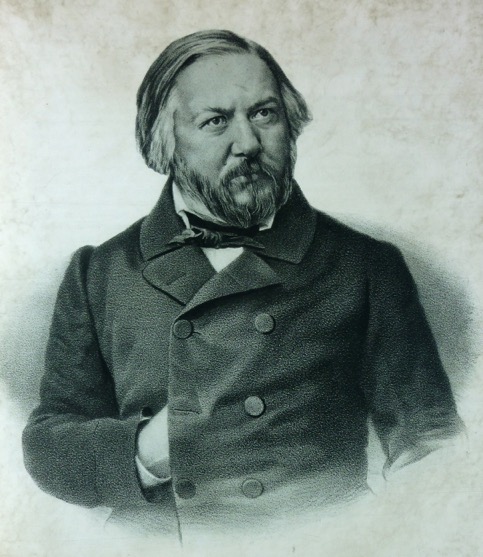
Glinka: Ruslan and Ludmilla Overture
Glinka’s overture to Ruslan and Ludmilla is a lively and colourful opening to the concert. Fast-moving strings and energetic orchestral writing are balanced by a more lyrical central theme, before the music returns to the lively character of the opening.
The opera is based on a poem by Alexander Pushkin, a fairy tale of love, magic and adventure. Although rarely performed in full outside Russia, its overture has become a popular concert piece in its own right, giving a flavour of the drama and colour of the opera in just a few minutes.
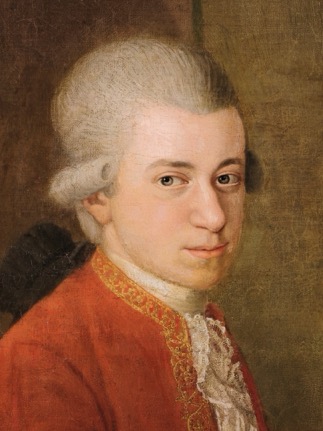
Mozart: Flute Concerto No. 1 in G Major
Mozart wrote his Flute Concerto No. 1 in 1778, when he was 22 and staying in Mannheim. Written for the Dutch amateur flautist Ferdinand De Jean, it is a wonderfully characteristic Mozart work: elegant and lyrical, but also full of energy, wit and opportunities for the soloist to show both delicacy and virtuosity.
The concerto is in three movements. The first opens confidently with the orchestra before the flute enters and takes up the musical ideas, adding its own increasingly elaborate passages. The slow second movement has a gentler, more expressive character, allowing the flute’s lyrical qualities to come to the fore. The final movement is a lively rondo, with its main theme returning between contrasting episodes as the music moves towards a bright and energetic conclusion.
Despite Mozart’s famously complicated relationship with the flute – he once claimed that he could not bear the instrument – the concerto has become one of the best-loved works in the flute repertoire. For this performance, the soloist is Hounslow Symphony Orchestra’s own flautist, Nanako Nakamura.
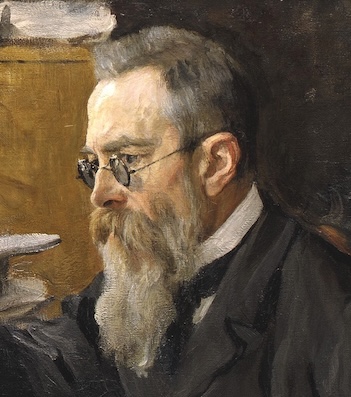
Rimsky-Korsakov: Scheherazade
Rimsky-Korsakov’s Scheherazade, composed in 1888, was inspired by One Thousand and One Nights, the collection of stories in which Scheherazade saves her life by telling the Sultan a new tale each night, always leaving it unfinished so that he will return to hear the ending. Rather than setting out to tell individual stories precisely, Rimsky-Korsakov used them as the inspiration for a richly colourful orchestral work full of contrasting moods and scenes.
The music opens with a powerful theme representing the Sultan, followed by one of the work’s most recognisable features: a graceful solo violin melody representing Scheherazade herself. This melody returns throughout the piece, linking its four movements as the music evokes voyages at sea, a prince and princess, celebrations in Baghdad and, finally, a dramatic shipwreck.
Rimsky-Korsakov was a master of orchestration, and Scheherazade gives almost every section of the orchestra a chance to shine. Alongside the recurring solo violin, there are prominent solos for woodwind, horn and other instruments, set against passages ranging from delicate and atmospheric to grand and dramatic. In the final movement, themes heard earlier in the work return and are brought together before the music gradually subsides, ending with Scheherazade’s violin theme high above the orchestra.