Play Day
Bruckner: Symphony No 4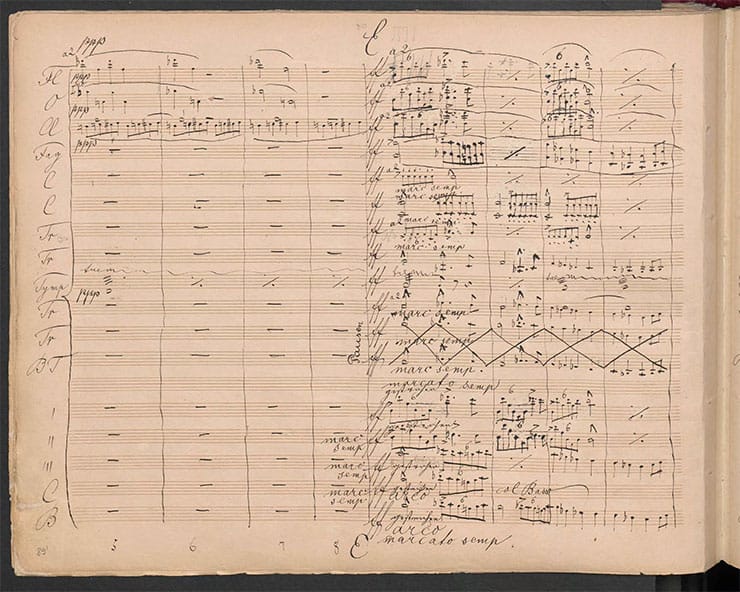
31st January 2026
10am – 5pm
Isleworth & Syon Boys School,
Ridgeway Road,
Isleworth
TW7 5LJ
Click here for a map to the venue.
Whether you’re a seasoned orchestral player or haven’t touched your instrument in years, this is your chance to experience Bruckner’s sweeping romantic masterpiece from the inside.
We’ll spend the day running through the symphony in a relaxed, supportive environment. No auditions, no pressure—just the joy of making music together and ending the day with a complete play-through.
We are accepting only the following instrument types:
– Strings (especially violins)
– French horn
Sorry, we are not accepting reservations for any other instrument types.
The participation fee is £20 (£10 for students). To reserve you place please click here. Payment can be made online when booking your place or on the day (credit cards preferred).
We will be playing the 1878-80 version (the most widely played). We will supply printed parts on the day but feel free to bring your own part.
Parts can be downloaded from here (IMSLP).
Tea and coffees will be served. We recommend brining a packed lunch.
Timetable
10:00am – Players arrive
10:30am – 12:00pm Rehearsal
12:00pm -1:00pm – Lunch (we recommend bring a packed lunch)
1:00pm – 2:30pm – Sectional coaching (1 coach for Strings and 1 coach for Woodwind/brass/percussion)
Strings with Juan Gonzalez in the Main Hall
Woodwind/brass/percussion with Jonathan Lipton in the Drama Room
2:30pm – 2:50pm – Tea & Coffee Break
2:50pm – 3:30pm Top & Tail Rehearsal
3:30pm – 4.45pm – Informal Performance
Jonathan Lipton (Wind and Brass Coach)
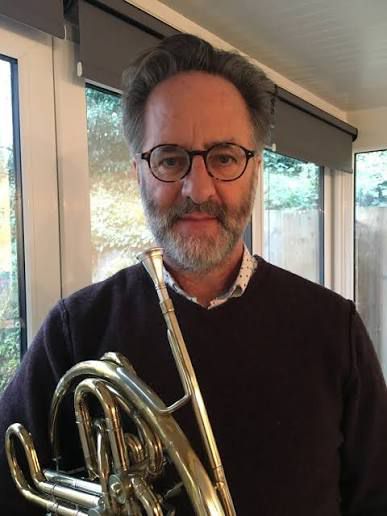
Jonathan Lipton has been the Fourth Horn with the LSO since 1987. Born in New York, he graduated from the State University of New York, College at Purchase. He emigrated to England in 1976 and for two years worked variously as a builder, and an ice cream vendor. In 1981 he joined the Ulster Orchestra as Second Horn and in 1985 moved to the BBC Welsh Symphony Orchestra as Fourth Horn.
Jonathan has been a member of the LSO’s Board of Directors for six years, with a special interest and involvement in the Orchestra’s education Discovery Department. He is Professor of Horn and Wagner Tuba at the Guildhall School of Music & Drama. He is a frequent guest professor at the Juilliard school of music and the Musashino Academy in Tokyo.
Juan Gonzalez (Strings Coach)
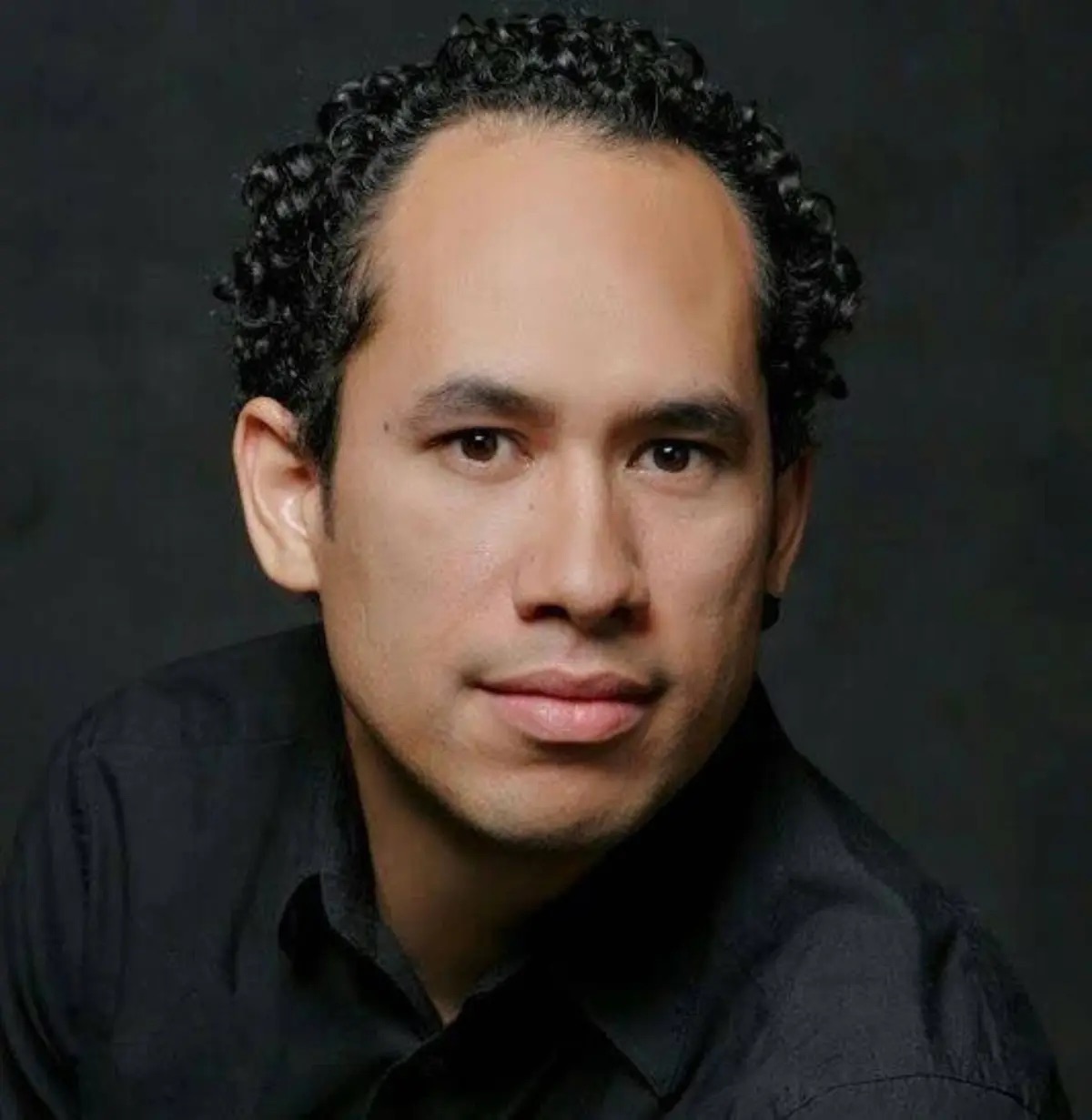
Venezuelan-German violinist Juan Gonzalez is a member of BBC National Orchestra of Wales. He was formerly a Member of the BBC Concert Orchestra and prior to that, the Leader of the Jalisco Philharmonic Orchestra in Guadalajara, Mexico.
Juan started his musical education at the Sistema of the Youth Orchestras in Venezuela and was a member of the Venezuelan Symphony Orchestra.
He studied at the Simon Bolívar Conservatoire in Caracas under the guidance of professor Raimondas Butvila.
He works regularly with Leading orchestras such as the Berlin Philharmonic Orchestra, the London Symphony Orchestra, London Mozart Players, Britten Sinfonia, and the Royal Philharmonic Orchestra. He has served as guest Co-leader of Britten Sinfonia, Leader of the Chineke! Orchestra at the Queen Elizabeth Hall, the Elbphilharmonie in Hamburg and at the BBC Proms in 2023. He has also been guest number 4 violin with the Royal Philharmonic Orchestra in several occasions, guest Leader of the London Choral Sinfonia and also Guest Leader of the London Contemporary Orchestra including Pop, TV and Film sessions at Abbey Road and also Air Studios.
Bruckner: Symphony No 4
The opening movement begins in a hushed, misty atmosphere. Over shimmering strings, a solo horn calls out a noble, spacious theme, often described as a “daybreak” or a call echoing across forests and hills. From this quiet beginning, the music grows organically into towering climaxes, alternating between serene pastoral passages and powerful, cathedral-like tuttis. Bruckner’s trademark long spans, sudden contrasts, and sense of vast space are all on display.
The second movement, Andante quasi allegretto, has the character of a solemn procession. Its main theme unfolds with gentle dignity, suggesting pilgrims, mourners, or a slow walk through a shadowed landscape. The mood is reflective rather than tragic, with warm string writing and expressive woodwind solos, and it builds to deeply felt climaxes before returning to quiet introspection.
The Scherzo is one of Bruckner’s most vivid tone-pictures. Marked Bewegt (moving), it famously evokes a hunting scene, dominated by ringing horn calls and energetic rhythms. The trio section provides contrast, with a more relaxed, rustic dance that recalls village life, before the hunt resumes with renewed vigour.
The finale brings together drama, mystery, and triumph. It opens quietly and somewhat ominously, gradually gathering momentum through restless rhythms and bold thematic statements. As the movement unfolds, earlier ideas seem to be transformed and tested, leading to massive climaxes that affirm the symphony’s heroic, expansive character. The work concludes in a blazing E-flat major, giving a sense of hard-won affirmation and grandeur.
Overall, Symphony No. 4 stands as one of Bruckner’s most approachable yet profound works: a monumental structure filled with imagery of nature, medieval romance, and spiritual awe, combining intimate lyricism with overwhelming sonic power.